Choosing the right security system is one of the most important decisions you can make for your home or business. With so many options available, property owners often find themselves deciding between DIY home security systems and professionally installed security systems. Both approaches can protect your property, but they differ significantly in design, reliability, monitoring, and long-term performance.
This guide compares DIY and professional burglar alarm systems in real-world terms. We will cover home security equipment, installation costs, professional monitoring, smart home integration, and reliability so you can choose the solution that delivers true peace of mind.
Understanding DIY vs Professional Burglar Alarm Systems
Before comparing costs and features, it’s important to clearly define what separates DIY and professional systems. While both aim to improve home security, the structure, setup, and ongoing support behind each option are very different.
DIY Burglar Alarm and DIY Home Security Systems
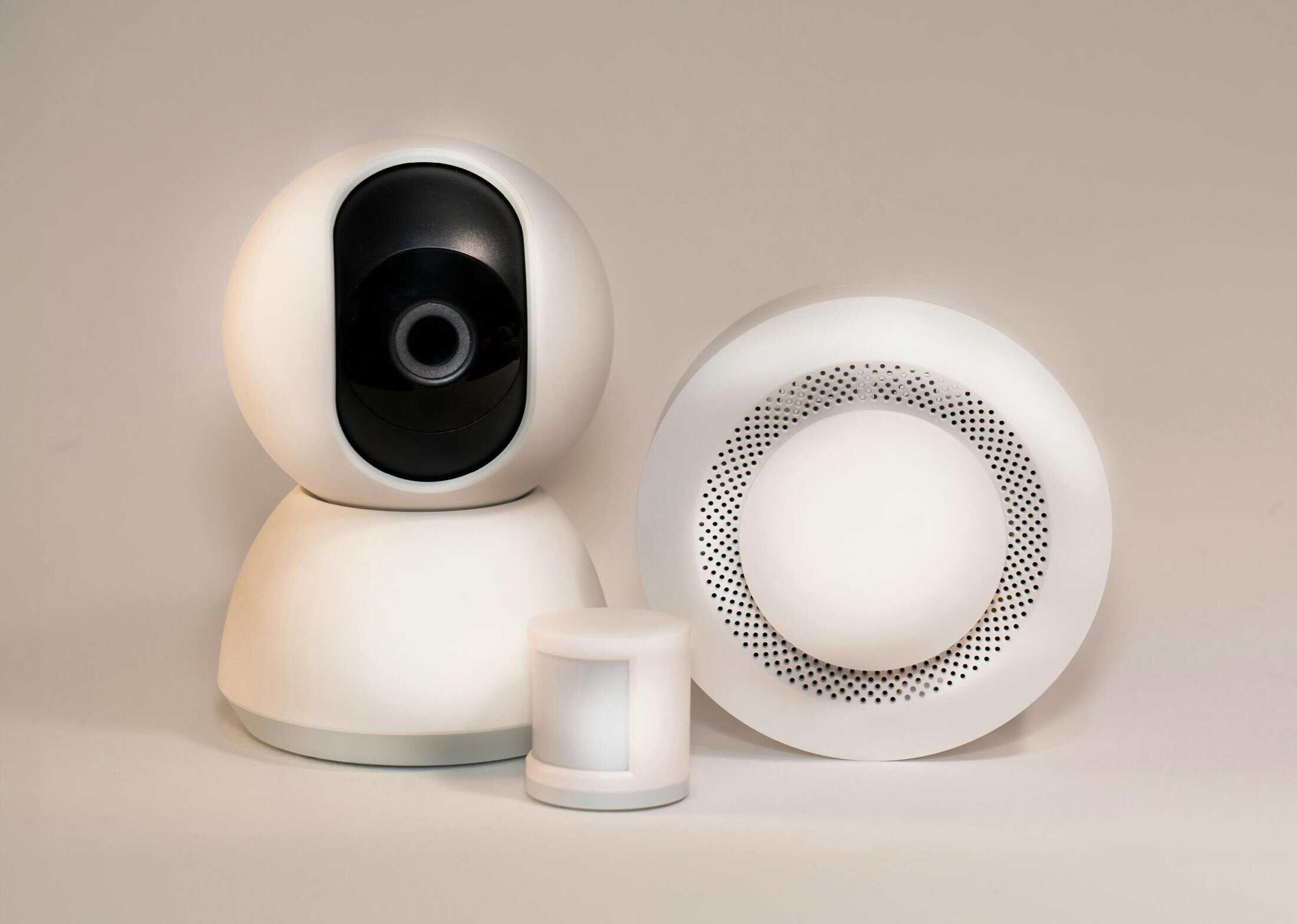
DIY security systems typically rely on wireless equipment such as door sensors, window sensors, motion detectors, indoor camera units, and a central control panel. Setup is handled by the homeowner using a mobile app. Many DIY home security systems offer free monitoring links or free self-monitoring, with optional paid professional monitoring.
DIY systems appeal to renters and homeowners who want flexibility, lower installation fees, and fast setup. However, performance depends heavily on correct placement of motion sensors, glass break sensors, and security cameras.
Professional Alarm Systems and Professional Installation
A professional alarm system usually includes professionally installed security equipment, a dedicated control panel, and ongoing monitoring service. These professionally installed systems may be wired, wireless, or hybrid and often require professional installation to meet performance and insurance standards.
Professionally installed security systems are designed after an on-site assessment to ensure full coverage of doors, windows, and vulnerable areas like the front door and garage.
Why the Difference Matters
A security system is only as effective as its setup and monitoring. DIY systems rely on the homeowner for installation, testing, and response, while professional systems are designed, installed, and supported by trained technicians and monitoring centers.
Cost Breakdown: Equipment, Installation, and Monitoring
Understanding the true cost of a security system means looking beyond the sticker price. Equipment, installation, and ongoing monitoring all contribute to the total investment over time.
DIY Home Security Costs
DIY home security systems typically have lower equipment costs and no mandatory contracts. Expenses can increase as you add security cameras, outdoor camera coverage, cloud storage subscriptions, replacement batteries, and upgraded smart monitoring features.
DIY systems can be a reasonable price option for smaller homes but may become less cost-effective as coverage needs grow.
Professional Alarm System Costs
Professional systems often involve installation fees, monitoring service charges, and sometimes equipment financing. Some security companies advertise free installation or free professional installation, but these offers are usually bundled into long-term monitoring agreements.
While installation costs are higher, professionally installed systems often reduce long-term issues related to false alarms, failed sensors, and incomplete coverage.
Installation Reality: DIY vs Professional Setup
Installation quality has a direct impact on how well your security system performs during a real emergency. Before comparing DIY and professional setup, it helps to understand where small installation decisions can make a big difference.
Common DIY Installation Challenges
DIY installation can work well in simple layouts, but gaps often appear when placement and testing are rushed. Small mistakes in positioning or configuration can reduce the effectiveness of your security system.
- Door sensors and window sensors placed incorrectly, leaving vulnerable entry points unprotected
- Motion detectors aimed poorly, increasing the risk of missed intruder intervention or unnecessary false alarms
- Wireless equipment positioned too far from the control panel, leading to signal drops
- Indoor camera or outdoor camera angles that miss key approach paths or create glare
- Skipping the testing process, so problems are not discovered until a real alarm event
Value of Professional Installation Services
Professional installation services focus on designing the entire system for performance, not just getting equipment mounted on the wall. The goal is long-term reliability and fewer disruptions.
- On-site assessment of doors, windows, and exterior access points
- Quality professional installation of motion sensors, glass break sensors, security cameras, and the control panel
- Proper calibration to minimize false alarms from pets or environmental factors
- Verification that battery backup and communication pathways function correctly
- Structured testing process and clear user training after the newly installed system is activated
When Professional Installation Makes the Most Sense
In certain situations, professional installation is more than a convenience, it is a strategic decision that improves protection and reduces risk.
- Larger homes with multiple entry points or detached structures
- Properties using advanced home automation or smart home system features
- Systems that require professional installation for insurance or compliance purposes
- Owners who prefer long-term reliability instead of ongoing DIY troubleshooting
Monitoring and Emergency Response
How your security system is monitored plays a critical role in how quickly help arrives and how effectively threats are handled. Understanding the difference between self monitoring and professional monitoring helps you evaluate real-world response performance.
Self Monitoring vs Professional Monitoring
Self monitoring sends alerts to your phone showing alarm status, allowing you to decide what to do next. This approach works best if you are always reachable.
Professional monitoring connects your monitored security system to trained staff who verify alarms and coordinate with emergency services or the local police department when necessary.
Monitoring Centers and Backup Protection
Professional monitoring centers operate 24/7 and rely on redundant systems, battery backup, and cellular communication. These features ensure your new security system continues working during power or internet outages.
Smart Home Integration and Automation
Modern home security systems often integrate with smart home systems and home automation platforms. Many DIY and professional systems support smart home integration with Alexa and Google Home.
Smart home devices such as smart locks, lights, and cameras can work together to create a smarter security system. Some advanced setups include smart monitoring and automated intruder intervention, such as triggering an audible alarm or activating active guard outdoor protection.
Reliability, False Alarms, and Real-World Performance
False alarms are a major concern with most security systems. Poor installation, incorrect motion detector sensitivity, and user error are common causes. Repeated false alarms can result in fines and reduced response priority.
Professionally installed systems reduce false alarms through proper setup, user training, and ongoing support. This leads to a more robust system and greater peace of mind.
Compliance, Insurance, and Local Considerations
Some insurance policies and municipalities require professionally installed security systems or monitored security systems. Certain properties may require professional setup or systems that require professional installation to remain compliant.
Working with experienced security companies helps ensure your entire system meets local and insurance requirements.
DIY vs. Professional Security Systems: At a Glance
If you’re weighing a DIY security system against a professionally installed option, the differences come down to cost, installation quality, monitoring, reliability, and how well the system can grow with your needs.
Cost & Equipment
DIY systems typically have lower upfront equipment costs and little to no installation fees. Professional systems often involve higher initial costs due to expert installation, but that investment may include higher-grade equipment and long-term service support.
Installation & Setup
DIY systems rely on self-installation, which works well for simple layouts and users comfortable with smart devices. Professional installation ensures correct sensor placement, system calibration, and full testing—reducing blind spots and setup errors.
Monitoring & Response
DIY systems often use free self-monitoring with app-based alerts. Professional systems provide 24/7 professional home monitoring through dedicated monitoring centers, often resulting in faster emergency response times.
Reliability & Protection
Professionally installed systems commonly include battery backups, tamper protection, and redundant communication paths. DIY systems may offer some of these features, but they vary widely by brand and setup.
Scalability & Long-Term Use
DIY systems are ideal for homes with straightforward entry points. Professional systems tend to scale more effectively for larger homes, properties with multiple access points, or more complex layouts.
How to Choose the Security System Install That Fits Your Needs
Choosing the right security system install depends on your property type, risk level, and how involved you want to be in setup and monitoring.
- If you rent or live in a condo: Look for security systems that offer a simple setup, minimal disruption to the property, and equipment that can be removed or relocated if needed. Depending on your building and lease requirements, a professionally planned system can help you balance security with installation limitations.
- If you own a single-family home: A complete home security system with professional installation provides stronger protection for multiple entry points, garage access, basement windows, and outdoor areas. Professionally installed systems help ensure proper placement of door sensors, window sensors, motion sensors, and security cameras.
- If you run a small business: Professionally installed security systems with professional monitoring and outdoor camera coverage are typically the safest choice. A monitored security system connected to monitoring centers improves response coordination and helps reduce costly false alarms.
- If you travel frequently: Consider a monitored security system with battery backup, cellular communication, and professional home monitoring to maintain protection even when you cannot respond to alerts yourself.
- If you want smart home integration: Choose a security system that supports home automation, smart devices, and platforms like Alexa and Google Home so your security system works seamlessly with your smart home system.
Ultimately, the best security system is one that protects your entire system consistently, reduces false alarms, and provides peace of mind without becoming difficult to manage.
Why Work With Chicago Security Expert
Not all security companies offer the same level of expertise. Chicago Security Expert designs and installs professionally installed security systems tailored to each property. From security equipment selection to professional home monitoring, the focus is on reliability, reduced false alarms, and real protection.
Whether you are evaluating the best DIY security system, a newly installed system, or a fully monitored professional solution, local expertise makes a difference.
Ready to Choose the Right Security System?
If you are considering a new security system, Chicago Security Expert can help you evaluate your options. A professional assessment ensures the entire system is designed correctly from day one.
Contact Chicago Security Expert to discuss professional installation, monitoring service options, and a solution that fits your needs and budget.
Frequently Asked Questions
Is a DIY home security system enough for full protection?
DIY systems can deter crime, but effectiveness depends on placement, monitoring, and user response.
Are professionally installed systems worth the cost?
For many properties, professional installation and professional monitoring improve reliability and response times.
Do all systems require professional installation?
No. DIY systems do not, but some advanced systems require professional installation to function correctly.
Do security systems work during power outages?
Systems with battery backup and cellular communication continue operating during outages.
How can I reduce false alarms?
Proper installation, system testing, and user training are essential.
Can I integrate my system with smart home devices?
Many systems support smart home integration with Alexa and Google platforms.