
Security cameras have been a fixture in Chicago homes and businesses for decades. But most of those cameras share the same fundamental limitation: they record what happens, and someone has to watch the footage afterward to find out what that was. That is the core difference between a traditional surveillance system and one built around CCTV video analytics.
Smart video surveillance does not wait for a crime to be reported before it becomes useful. It analyzes footage as it happens, identifies what matters, and alerts the right people in real time. For Chicago property owners, that shift represents a significant upgrade in how security systems actually perform, not just how they look on paper.
What Is CCTV Video Analytics? A Plain-English Explanation
Video analytics, sometimes called intelligent video monitoring or smart video surveillance, is software that automatically analyzes CCTV footage in real time to detect motion, identify objects, classify people and vehicles, and trigger alerts without requiring anyone to watch a screen.
Unlike a standard camera that simply records and stores footage, a video analytics system is continuously processing what it sees. It can distinguish a person from a shadow, recognize that a vehicle has been parked in a restricted zone for an unusual amount of time, or flag that someone is moving along the perimeter of a property after hours. When the system detects something that matches a defined rule or behavior, it acts: sending an alert, notifying a monitoring center, or triggering an integrated alarm response.
The important distinction for homeowners and business owners in Chicago is this: traditional CCTV is reactive. Video analytics is proactive. One tells you what happened. The other can help stop something before it does.
How Smart Video Surveillance Works
Understanding what video analytics does is easier when you see it as a four-step process:
- Step 1: Capture. A professionally installed CCTV camera captures live video footage. Camera placement, resolution, and lighting all directly affect what the analytics software can see and process accurately.
- Step 2: Analyze. The footage is fed into an analytics engine, either embedded in the camera itself (edge processing) or handled by a central server or cloud platform. The software breaks each video frame into data, identifying shapes, movement patterns, and objects.
- Step 3: Detect. The system compares what it sees against a set of rules or learned behaviors. It might be looking for a person entering a defined zone, a vehicle stopping in a no-parking area, or a crowd forming in an unusual location. When the defined condition is met, the system registers a detection event.
- Step 4: Alert. The detection triggers a response: a push notification to the property owner, an alert to a 24/7 monitoring center, an integration with the building’s alarm system, or a combination of all three.
Two processing architectures are worth knowing. Edge-based analytics runs directly on the camera hardware, which reduces latency and keeps footage on-site. Cloud-based or server-based analytics centralizes processing, which can offer more powerful capabilities and easier multi-camera management. In practice, many modern systems use a hybrid of both.
A critical point that does not receive enough attention: the analytics software is only as capable as the camera system feeding it data. Poorly positioned cameras, low-resolution sensors, and inadequate lighting will degrade analytics performance regardless of how sophisticated the software is. This is why professional installation is not optional when you are building a system that relies on intelligent video monitoring.
Key Video Analytics Features Used by Chicago Properties
Modern smart video surveillance systems offer a range of capabilities. Not every property needs every feature, but understanding what is available helps you make the right decision for your specific situation.
- Motion Detection and Smart Alerts Traditional motion detection triggers on virtually any movement. Analytics-based detection is trained to distinguish relevant activity from background noise, which means fewer false alarms and higher-confidence alerts when something real is happening.
- Person and Vehicle Detection. The system classifies objects as people, vehicles, or other, allowing for precise rules like “alert only when a person enters this zone between 10 PM and 6 AM” rather than triggering on every passing car or delivery truck.
- Loitering and Perimeter Alerts. If someone lingers near a loading dock, parking lot entrance, or restricted access point beyond a set time threshold, an alert is generated before a situation escalates.
- License Plate Recognition (LPR). LPR cameras read and log plates as vehicles enter or exit a property. In post-incident investigations, a clean LPR log is often more useful to law enforcement than standard video footage alone.
- People Counting Retail. Stores, restaurants, and office buildings use people-counting analytics to track occupancy and foot traffic patterns. It is a business intelligence application that extends well beyond traditional security.
- Facial Recognition: What Chicago Property Owners Should Know Facial recognition is available in advanced platforms but requires careful consideration in Illinois. The Biometric Information Privacy Act (BIPA) places strict requirements on the collection and use of biometric data. Consult legal counsel before deploying any system that captures facial geometry.
The right combination of features depends on the property, the risk profile, and how the system will be monitored. Chicago Security Expert works with each client to identify what is actually necessary rather than defaulting to the most feature-heavy option available.
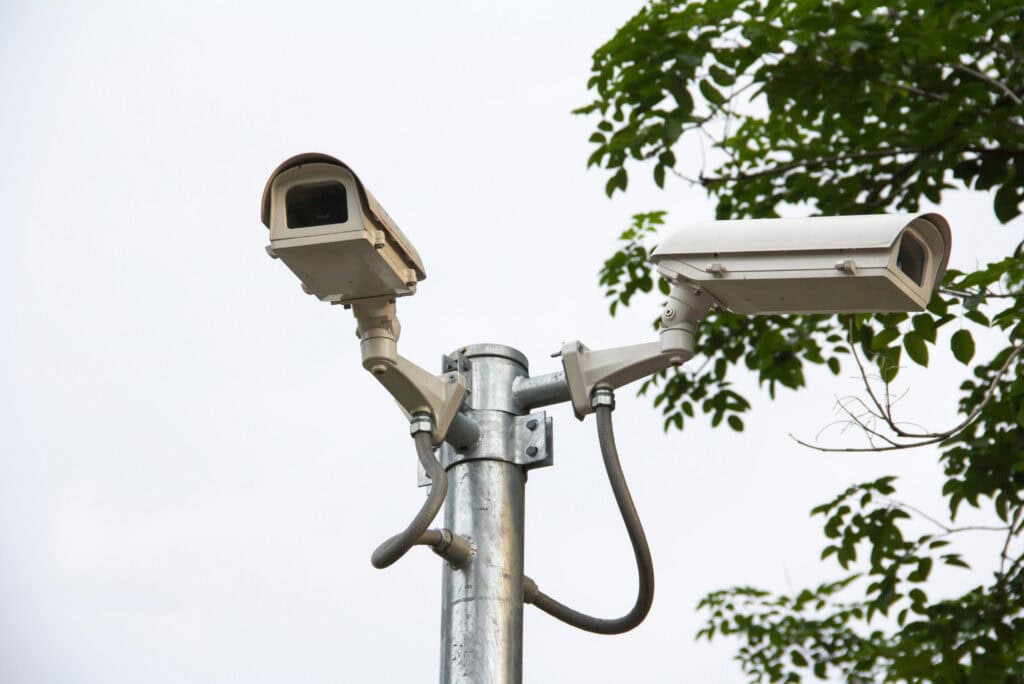
Residential and Commercial Applications Across the Chicago Area
One of the most significant gaps in how video analytics is typically covered is the assumption that it is only relevant to large enterprises. That is not the case. Chicago Security Expert installs smart video surveillance systems across a wide range of property types throughout the North Shore, Northwest suburbs, West suburbs, and the city itself.
Residential Applications
For homeowners in communities like Winnetka, Wilmette, Highland Park, and Lake Forest, video analytics addresses specific challenges that standard cameras do not. Package theft detection, driveway perimeter alerts, and after-hours activity notifications are among the most requested features. The ability to receive a real alert only when a person approaches the front door, rather than every time a car passes on the street, makes a meaningful difference in how usable the system actually is day to day.
Small and Mid-Size Business Applications
A restaurant in Lincoln Park, a retail shop in Lake Zurich, or a medical office in Vernon Hills each has security needs that a traditional camera system does not fully address. After-hours perimeter alerts, customer entrance monitoring, and employee entrance verification are common applications. People counting and occupancy analytics have also become useful tools for understanding how a space is being used and where additional attention is warranted.
Commercial and Industrial Applications
For larger facilities, multi-site operations, and properties with complex access needs, commercial and industrial video analytics can manage camera feeds across multiple locations from a single platform. This includes integration with access control systems, so that an access card event and a video detection event are correlated and logged together. Facilities in the greater Chicago metro area with parking structures, loading docks, or restricted zones particularly benefit from automated perimeter and zone enforcement.
Why Professional Installation Makes Video Analytics Work
There is a growing category of consumer-grade smart cameras marketed as video analytics products. Some of them are capable within their limitations. But there is a significant difference between a plug-in camera with a basic person detection feature and a professionally designed, installed, and calibrated video analytics system.
The performance of an intelligent video monitoring system depends on decisions made before a single camera is mounted: where to position each camera to maximize field of view and minimize occlusion, what resolution is required to support the analytics features being used, how lighting conditions at different times of day will affect image quality, and how the cameras will communicate with the analytics engine and the monitoring infrastructure.
Chicago Security Expert brings a structured approach to each installation. A site assessment identifies the coverage requirements and the specific threats or behaviors the system needs to detect. Camera selection and placement are matched to those requirements. The analytics configuration is calibrated to minimize false positives while maintaining sensitivity to genuine activity. And after installation, ongoing support ensures that the system continues to perform as the property’s needs evolve.
A professionally installed system also integrates cleanly with your existing security infrastructure, whether that includes a burglar alarm, access control, fire alarm monitoring, or a combination of all three.
Video Analytics and Professional Monitoring: The Full Security Picture
A smart CCTV system on its own is a significant upgrade over traditional surveillance. When that system is connected to professional 24/7 alarm monitoring, the value multiplies.
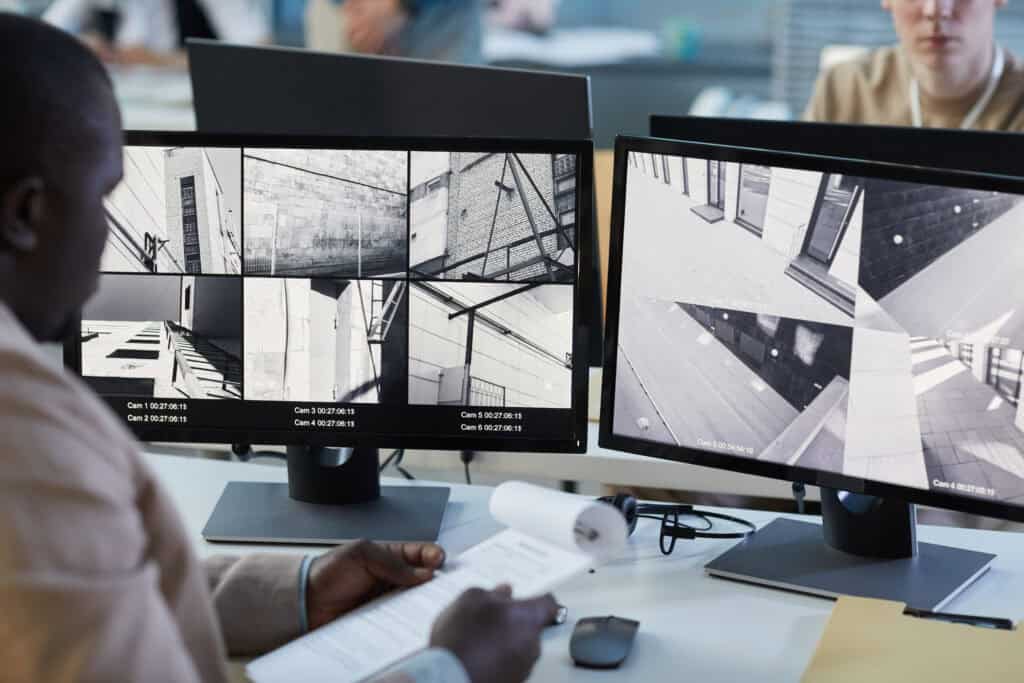
When Chicago Security Expert integrates video analytics with alarm monitoring, a detection event at your property triggers a review by a trained monitoring agent. Here is what that difference looks like in practice:
| Unverified Alarm | Verified Video Alarm | |
| Trigger | Sensor activation only | Camera detection + agent review |
| Police response | Often deprioritized | Priority dispatch |
| Report quality | Automated alert | Confirmed activity with footage |
If the agent confirms suspicious activity, police are dispatched with a verified report, not just an automated alert.
Is Video Analytics Worth It? Real Benefits for Chicago Properties
The value of intelligent video monitoring is most clearly understood when compared to the alternative.
Traditional CCTV records everything. In the event of an incident, someone reviews the footage, identifies what happened, and that information is used after the fact. The footage has evidentiary value, but the system did nothing to prevent the incident or accelerate the response.
Smart video surveillance changes that equation in several concrete ways:
- Proactive detection: The system identifies suspicious activity in real time, enabling a response before an incident escalates.
- Fewer false alarms: Analytics-based detection dramatically reduces the noise of irrelevant alerts, so when you do receive a notification, it carries weight.
- Higher-quality evidence: Professionally installed cameras, positioned and configured for the specific environment, produce significantly better footage than generic systems. That footage is more useful to law enforcement and insurance investigators.
- Faster, more credible alarm response: Verified video alarms receive priority dispatch. Unverified alarms often do not.
- Business intelligence: For commercial properties, people counting, occupancy monitoring, and traffic analysis produce operational data with real value beyond security.
The cost of adding video analytics capability to a professional CCTV installation varies based on the number of cameras, the features required, and whether cloud monitoring or on-site processing is used. What rarely changes is this: the cost of a smart surveillance system is almost always less than the cost of a single significant incident it could have prevented or shortened..
Why Choose Chicago Security Expert for CCTV Video Analytics
Chicago Security Expert is a locally owned and operated security systems provider serving the Chicagoland area. Our work is installation-focused and service-oriented. We do not operate as a national chain or a retail storefront. Every project begins with a site assessment, and every system is designed around the specific security requirements of the property it protects.
Our team holds industry certifications in security systems installation and has experience integrating CCTV, burglar alarms, fire alarm systems, access control, and monitoring services into cohesive, professionally supported security solutions. For clients who want smart video surveillance, we bring the technical expertise to design a system that actually performs as intended, and the local presence to support it over time.
Ready to protect your home with confidence? Schedule a professional fire alarm consultation with Chicago Security Expert to get clear recommendations and dependable fire safety solutions.
Frequently Asked Questions About Video Analytics CCTV in Chicago
What is the difference between regular CCTV and video analytics? Standard CCTV records and stores footage passively. Video analytics analyzes footage in real time, identifying people, vehicles, and behaviors as they happen. One tells you what occurred after the fact. The other can alert you while it is still occurring.
Can video analytics work with my existing security cameras? Sometimes. Certain analytics platforms can be layered onto compatible existing cameras through a server or software add-on. In other cases, the cameras themselves need to be upgraded. Chicago Security Expert can assess your current system and recommend the most cost-effective path.
Is smart video surveillance legal in Illinois? Installing cameras on your own property is legal. If you are considering facial recognition or other biometric features, Illinois’s Biometric Information Privacy Act (BIPA) imposes specific obligations worth reviewing with legal counsel. Most standard analytics features, including motion detection, person detection, and license plate recognition, do not implicate BIPA.
Do I need a permit for security cameras in Chicago? Residential installations typically do not require a permit. Some commercial installations may, depending on scope and placement. Chicago Security Expert is familiar with local requirements and will advise during the planning process.
Can video analytics integrate with my existing alarm system? Yes. When a camera detection event and an alarm trigger occur together, the result is a verified alarm response, which typically receives faster law enforcement dispatch than an unverified alert alone.