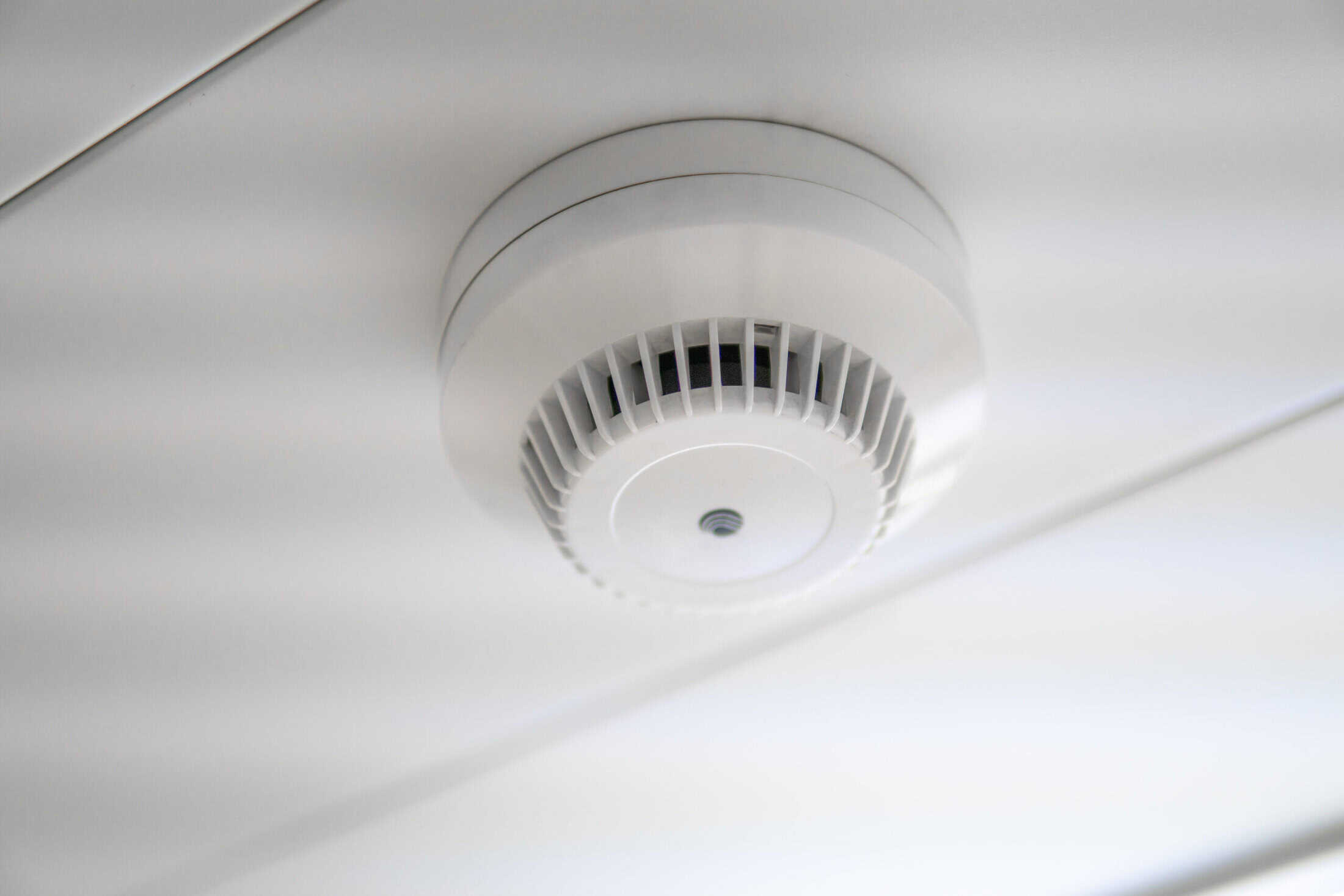
Protecting your family from fire starts long before an emergency ever happens. In Chicago, where many homes are multi-level, multi-unit, or decades old, having the right fire protection in place is not just about owning a smoke alarm. It’s about understanding modern fire alarm systems that Chicago families rely on for fire safety, early warning, and reliable protection.
This guide explains how residential systems work, how they detect smoke, and what to consider when choosing protection for your house so you can make confident, informed decisions.
Fire Alarm System vs. Smoke Alarms vs. Smart Alerts
These terms are often used interchangeably, but they describe different types of fire detection.
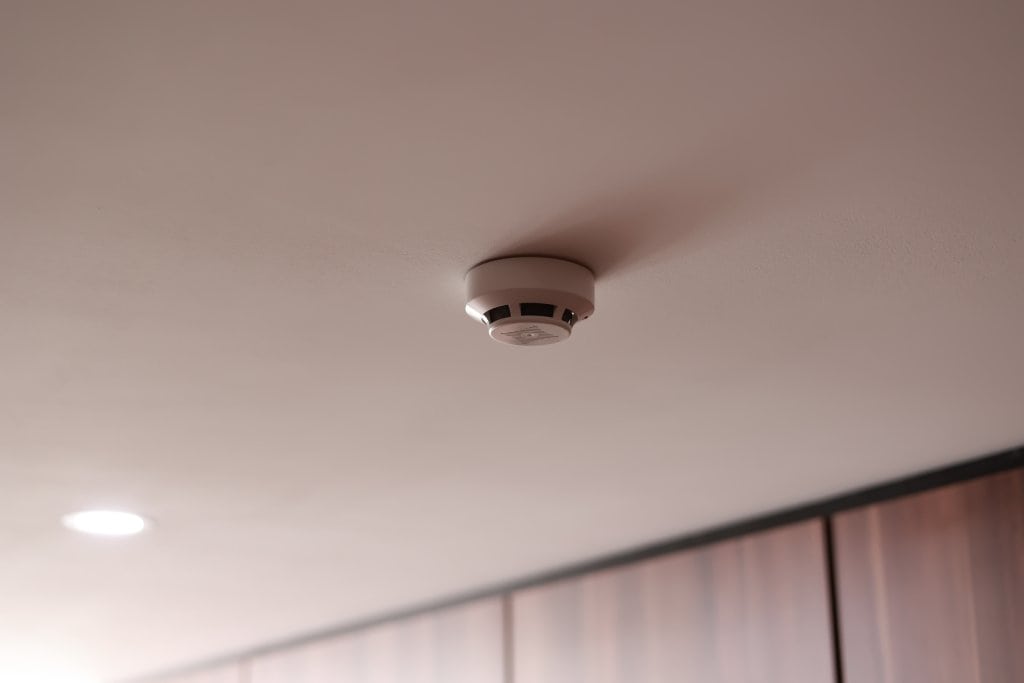
Home fire alarm: A stand-alone unit, often a battery-operated smoke alarm, designed to detect smoke and alert occupants with a loud siren. These alarms rely on local power or batteries and require regular battery replacement to remain effective.
Residential fire alarm system: A more comprehensive setup that may include interconnected smoke detectors, heat detectors, carbon monoxide detectors, and advanced sensors. When triggered, all alarms sound at once, providing earlier warning throughout the home.
Monitored fire alarm system: Adds professional monitoring services. When smoke or heat is detected, the system alerts a monitoring center, which can contact emergency responders even if no one is home.
Understanding these different types helps families choose safety features that match their risks.
What Chicago Families Should Know About Fire Alarm Requirements
Local and state rules establish minimum compliance standards, but strong fire safety goes beyond the basics.
1. Smoke Alarms
Modern standards emphasize sealed, long-life units or hardwired alarms with battery backup. These systems reduce failures caused by dead batteries and power loss, two of the most common reasons alarms fail during a fire.
Most Chicago homes are required to have smoke detectors:
- On every level of the house
- Outside sleeping areas
- Inside bedrooms in many cases
2. Carbon Monoxide Alarms
Carbon monoxide detectors are required in homes with fuel-burning appliances, attached garages, or fireplaces.
Typical placement includes:
- Near sleeping areas
- On each level, including the basement
Combination units can simplify compliance while improving overall fire detection.
3. Renters, Condo Owners, and Landlords
Responsibility for installation and inspections can vary. Property owners usually handle installation, while occupants manage basic testing and maintenance tips such as monthly checks and visual inspections.
What Makes Up a Residential Fire Alarm System
A modern system combines several components for early warning and reliable protection:
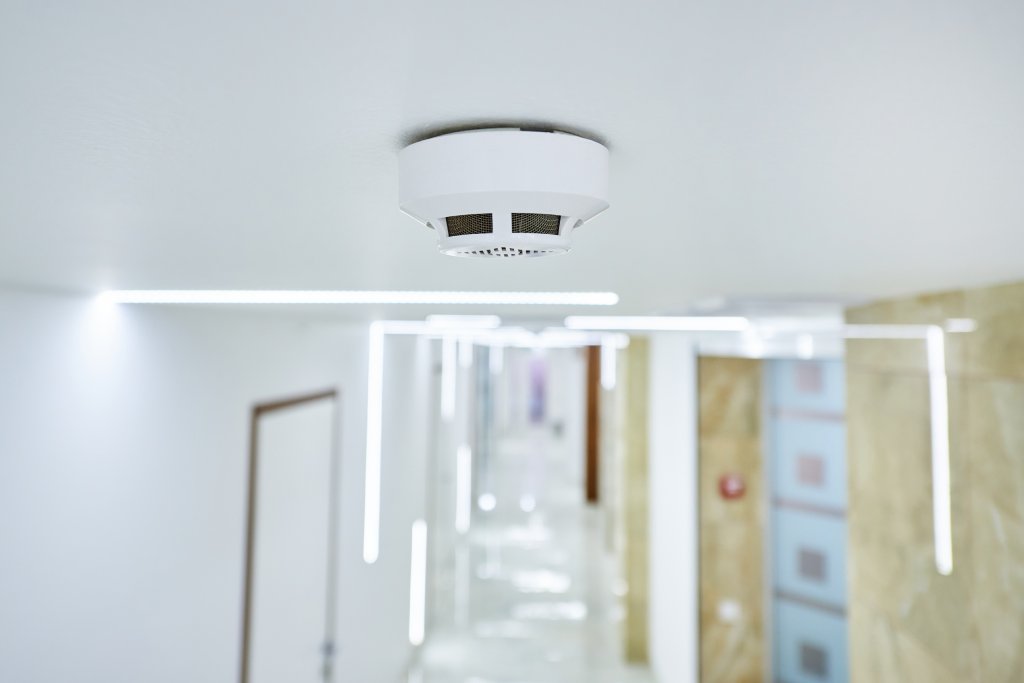
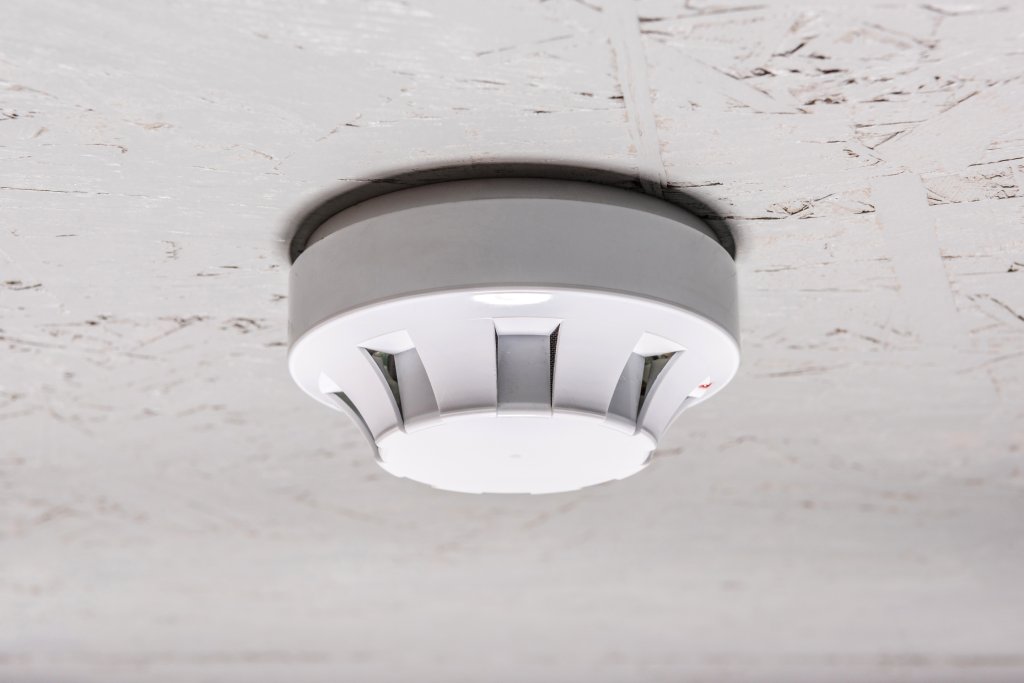
- Smoke detectors using photoelectric or ionization technology to detect smoke from different fire conditions
- Heat detectors for kitchens, garages, or utility areas where smoke alarms may cause false alerts
- Carbon monoxide detectors to protect against invisible gas hazards
- Audible alarms, voice alerts, and strobe lights to notify occupants quickly
- Advanced sensors that improve accuracy and reduce nuisance alarms
- Professional monitoring services for emergency response
Together, these elements provide layered fire safety for families and small business properties.
Choosing the Right Fire Alarm Setup for Your Chicago Home
Selecting the right system depends on several factors, including layout, age of the building, and how the space is used.
Home Type Considerations
Single-family homes often benefit from interconnected alarms across multiple levels. Condo units may require coordination with building-wide systems. Two-flats and mixed-use properties may need solutions that protect both residential and business areas.
Older homes with limited wiring or unique renovation projects may be better suited for wireless detectors or sealed battery options.
Connection and Power Options
Hardwired systems offer dependable power and interconnection but require professional installation. Battery-based systems are easier to install but depend on timely battery replacements. Hybrid systems combine both for added reliability.
Response Level
Some households rely on audible alarms alone. Others prefer systems with voice alerts, mobile notifications, or professional services for added peace of mind when no one is home.
Maintenance That Keeps Systems Reliable
Even the best systems need upkeep.
Key maintenance tips include:
- Monthly testing of all detectors
- Checking power sources and batteries
- Replacing units according to manufacturer guidelines
- Scheduling periodic inspections, especially after renovations
Routine maintenance helps ensure reliable protection year-round.
Take the Next Step Toward Complete Home Fire Protection
Protecting your home isn’t just about meeting minimum compliance requirements; it’s about confidence. Chicago Security Expert brings combined experience working with leading manufacturers to design systems that deliver reliable protection and early warning.
From evaluating existing smoke detectors to designing a full residential fire alarm system, our team provides professional services focused on safety, clarity, and long-term performance.
Ready to protect your home with confidence? Schedule a professional fire alarm consultation with Chicago Security Expert to get clear recommendations and dependable fire safety solutions.
FAQs
Do I need a fire alarm system in Chicago?
Most homes require smoke and carbon monoxide detectors. A full residential fire alarm system offers enhanced fire detection and monitoring.
How often should alarms be replaced?
Most smoke detectors should be replaced every 10 years, or sooner if inspections reveal issues.
Can I install alarms myself?
Some alarms are DIY-friendly, but interconnected or monitored systems benefit from professional installation.
Why do alarms go off without smoke?
Cooking, dust, or steam can trigger alerts. Proper placement and modern sensors help reduce nuisance alarms.