
Most security systems don’t fail all at once. Instead, they show subtle warning signs; more false alarms, slower notifications, outdated equipment, or blind spots that didn’t exist a few years ago. If you’ve been wondering whether it’s time to upgrade your home security system or are trying to determine when to replace key components, the answer is usually found in those details.
At Chicago Security Expert, our company evaluates existing home security systems across the Chicagoland area every day. Many homeowners have a current system that technically still works, but no longer delivers the level of home security, monitoring reliability, and smart home functionality they expect. Technology, devices, and communication services evolve quickly. The real question is not whether your security system turns on; it’s whether it can monitor, connect, and respond the way a modern home security system should.
Top Signs You Should Upgrade Your Home Security System
If any of the situations below sound familiar, your security system may be overdue for an upgrade.
1) Your Existing Security System Is Aging Out
Most security systems have a practical lifespan of 8–15 years. Over time, critical components begin to degrade, especially in older wired security systems or a wired alarm system. Motion sensors, door sensors, glass break detectors, and even the control panel can lose reliability.
In a pre-wired house, aging wiring may also limit how easily you can add new equipment. If your existing security system frequently shows trouble alerts, requires repeated service, or struggles to support new devices, it may be time to replace key components or replace the entire system with a new system built for modern home security.
2) Frequent False Alarms or Missed Alerts
False alarms usually indicate that your sensors or monitoring path are no longer functioning reliably.
Typical causes include:
- Worn door sensors or misaligned contacts
- Outdated motion sensors
- Failing glass break detectors
- Weak or failing sensor batteries
When multiple sensors across your home security system begin to malfunction, replacing outdated or unreliable components can help improve overall system performance. A dependable security system should monitor accurately and respond consistently.
3) Your Monitoring Service Is Outdated
A modern home security system depends on a reliable monitoring service. If your current system relies solely on a landline, lacks cellular backup, or depends only on Wi-Fi without battery support, your ability to monitor and respond during outages may be compromised.
Today’s professional monitoring services use cellular and Wi-Fi communication together to support faster emergency response. If your existing security system cannot connect to these services or support proper redundancy, it may be time to upgrade or replace the core components.
4) Limited Control Panel Capabilities
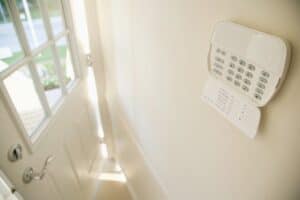
Your control panel is the brain of your home security system. Older control panels often lack mobile app control, smart home integration, and compatibility with Z-Wave devices.
Without support for advanced features such as remote arming, activity logs, and smart home automation, your current system may feel limited. Upgrading the control panel allows you to monitor through a mobile app, connect smart home devices, and improve overall security performance without necessarily replacing every piece of equipment.
5) Your Security Camera Footage Isn’t Usable
A security camera should provide clear, actionable footage. Warning signs include:
- Grainy or low-resolution video
- Poor night visibility
- Limited motion detection accuracy
- Blind spots around entry points
Modern security cameras improve clarity, integrate with smart home systems, and help monitor activity more effectively.
6) Your Home Has Evolved Since Installation
Homes change over time, but your existing home security system may not have kept up. You may have added doors, renovated a basement, built a detached garage, or installed new smart home devices. Layout changes can also create blind spots that your current setup does not monitor.
An updated home security system should reflect your current setup, incorporate additional sensors where needed, and connect seamlessly with modern smart home systems to maintain consistent home security coverage.
7) Lack of Smart Home Integration
Modern smart home security depends on connected devices working together.
If your existing home security system cannot:
- Connect to Z-Wave devices
- Integrate with smart home devices
- Support Google Assistant
- Coordinate lighting or locks through home automation
Then your smart home security may be limited. Integrated smart home systems improve how devices connect and monitor activity.
8) Changes in Household Needs
Your home security needs evolve over time. Children coming home alone, aging parents living with you, frequent travel, or short-term rentals can all change how you need to monitor and secure your property.
These situations often increase the value of expanded monitoring services, updated sensors, and professional installation adjustments. An upgraded home security system can better support emergency response and provide greater peace of mind for your household.
9) No Integrated Fire or Life-Safety Monitoring
Modern home security should extend beyond intrusion detection. Key life-safety components include:
- Smoke detectors
- Fire monitoring services
- Carbon monoxide sensors
- Water leak sensors
If your current system cannot monitor fire or life-safety events through professional monitoring services, upgrading these components can significantly improve protection.
10) Your System Cannot Support New Features
Technology evolves quickly. If your existing equipment cannot support advanced motion sensors, glass break detectors, improved mobile app control, or expanded smart home integration, you may be limiting your security system’s effectiveness.
In many cases, it becomes more practical to replace the core of your existing home security system with a new system designed to support modern devices, components, and advanced features long term.
What to Consider When Updating a Security System
Many homeowners wonder whether they should keep their existing alarm system or replace outdated components. Wired security systems can be a reliable option, especially in homes that are already pre-wired, but expanding or modifying an older system may require additional planning.
The best solution depends on your current equipment, your home’s structure, the condition of the existing wiring, and your long-term security goals. A professional assessment can help determine whether your current system can be upgraded or whether a more extensive replacement would be the better option.
Upgrade Options That Deliver the Biggest Impact
When planning to upgrade your home security system, prioritize improvements that strengthen monitoring reliability and coverage.
| Upgrade Component | What It Improves | Why It Matters |
| Modern control panel | System performance | Supports new features, mobile app control, and smart home integration. |
| Updated motion sensors and glass break detectors | Detection accuracy | Reduces false alarms and improves intrusion monitoring. |
| Modern security cameras | Video clarity | Eliminates blind spots and improves incident documentation. |
| Enhanced monitoring service | Emergency response | Ensures professional monitoring services can monitor and dispatch quickly. |
| Smart home devices and Z Wave integration | Automation | Connects devices for seamless smart home security. |
A strategic installation plan ensures your security system works as a cohesive set of components rather than disconnected devices.
 When to Replace Instead of Upgrade
In some situations, it makes more sense to replace your current system entirely. For example, if your control panel is obsolete, your existing security system cannot connect to modern devices, or repair costs continue to rise, replacing the system may provide better long-term value.
A new system allows you to install modern equipment, improve monitoring services, eliminate long-term contract limitations in some cases, and create a secure foundation for future smart home expansion.
Professional Installation and Assessment
A professional installation ensures every component of your security system works together properly. During an assessment, our team will:
- Evaluate your current system and existing equipment
- Test motion sensors, door sensors, and glass break detectors
- Inspect control panel functionality and monitoring connections
- Identify blind spots and coverage gaps
- Recommend upgrades or replacement options based on your security goals
Chicago Security Expert provides professional installation, system upgrades, and comprehensive monitoring services. Whether you are upgrading an existing home security system or installing a new system, working with an experienced company ensures your security system is configured to monitor effectively and deliver true peace of mind.
Is Your System Still Protecting You the Way It Should?
If your security system struggles to monitor reliably, integrate with your smart home, or support new features, it may be time to upgrade, or in some cases, replace, your current system.
A modern home security system should monitor intrusion, fire, and environmental risks, connect seamlessly with smart home devices, and support reliable emergency response. When properly designed and professionally installed, your security system should make your home feel secure without adding complexity.
Schedule a Free Quote for Your Security Upgrade
If you’re unsure whether to upgrade or replace your existing home security system, Chicago Security Expert can help. Our company provides on-site assessments, detailed installation recommendations, and customized monitoring service options.
Contact us today for a free quote and discover how modern equipment, smart home integration, and professional monitoring services can improve your home security and restore lasting peace of mind.
FAQs
How long does a home security system typically last? Most security systems last between 8 and 15 years. Wired security systems may last longer structurally, but components such as sensors and control panels often require replacement sooner.
When should I replace my existing home security system? You should replace your system when the control panel is obsolete, parts are unavailable, or your existing equipment cannot support modern monitoring services and new features.
Can I upgrade an existing wired alarm system? Yes. In many cases, a wired alarm system can be upgraded with a modern control panel and wireless components, depending on compatibility.
Do I need professional monitoring services? Professional monitoring services provide faster emergency response and continuous monitoring compared to self-monitored systems.
Will a smart home security system integrate with Google Assistant? Many modern smart home security systems support integration with Google Assistant and other smart home platforms for enhanced control and automation.