Nowadays, an alarm system is one of the most effective methods of securing a facility against burglary, fire or acts of vandalism. Buildings particularly exposed to all these events are, above all, our houses, business, apartments, warehouses, and all other places that hold a wide variety of expensive belongings and important information that should be treated with care.
Effective protection of your house in addition to a monitoring system also consists of a reliable alarm system. Tough locks, roller shutters and anti-burglary doors, although they are an obstacle for the criminal, in practice only delay their entry into the building. Choosing the right alarm system is not easy, and it is best to consult an experienced specialist. At Chicago Security Expert we will help you choose the security system that’s right for you and your home.
How to choose an alarm system?
When it comes to security systems, it is always necessary to look at the property as a whole. If you want to provide your property with maximum protection, it is worth installing a more extensive alarm system, which will be based on both motion sensors and magnetic field sensors (reed switches), which protect all balcony doors and windows. Prior to camera installation and alarm system installation it’s advised to invest in appropriate external doors and windows, which will improve the overall level of protection of the building against burglary and theft.
The next step is to select solutions that will meet your needs and expectations. If your priority is to increase the safety of the household in the most economical way, it is worth supporting the alarm installation with a system of passive motion sensors (in terms of reliability, wired sensors are more effective). If it is a question of securing a large number of doors and windows, it will certainly be a better choice to base the installation on reed switches, i.e. magnetic sensors. Reed switches are also recommended in those buildings where pets are present, due to the fact that they help to eliminate false alarms that occur despite the advanced technology in the case of motion sensors.
 The Intrusion Detection System (IDS)
 The Intrusion Detection System (IDS)
The IDS, or the Intrusion Detection System, is a set of devices that protect your property against various threats: burglary, flooding, fire, escaping gas or accumulating carbon monoxide. When an unauthorized entry to the building is attempted, or the system detects suspicious persons in a protected area, it will generate an alarm that can be forwarded via radio or telephone. The basic goal of each IDS is to provide comprehensive security in the protected building, not only against crime, but also against an accident.
Basic elements of the alarm system
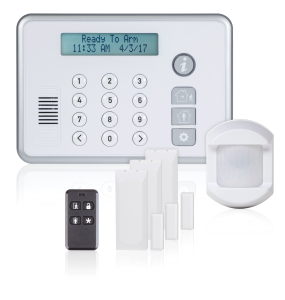
The Intrusion Detection System consists of a number of components that are designed to: recognize a threat, process the signal and initiate an alarm. The most elements important are:
- alarm control panel which is responsible for receiving and processing signals. When the sensors detect a threat, they send an impulse, which triggers the alarm. The control panel must be located in a room that is difficult to access so that the criminal won’t have easy access to it. When choosing this element of the system, it is worth choosing a device with a large number of inputs and outputs, which will allow, in the future, to connect new sensors and expand the installation,
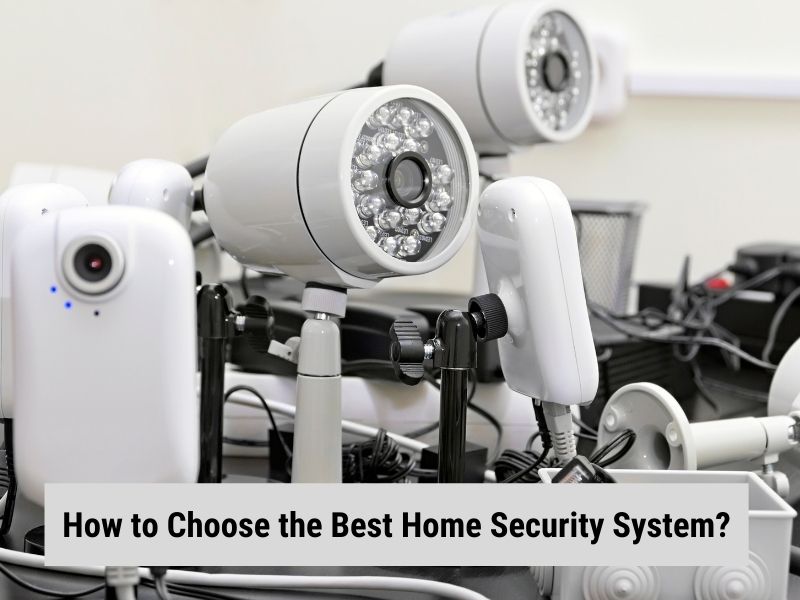
- sensors & cctv cameras (or “eyes and ears” of the alarm system). There are many types of sensors on the market, each specialized in detecting a different type of threat. There are sensors that detect movement, smoke, gas, temperature, twilight, etc. Windows and balcony doors are protected by sensors that react to sound (e.g. broken glass), reed sensors (magnetic – composed of two elements, one is mounted on the window sash, the second one on the frame – their distance from each other triggers an alarm), shocking. CCTV cameras on the other hand provide constant monitoring and real peace of mind.
- the keypad is nothing but a touch screen or keyboard that enables the programming of the alarm system. It allows the user to manage the installation, arm and disarm the alarm, and monitor its operation,
- the alarm siren is a device that generates a sound and light signal in order to alert householders, neighbors or the police. Contemporary IDSs can transmit a burglary signal using the GSM cellular network in order to alert the owner who is away from home. In a similar way, they can inform the security agency that will direct the emergency services to the home at risk,
- power supply is an important element of any alarm system. Without power, the system will not work, so it is worth equipping it with an additional power source, i.e. a battery.
 Wireless or Wired Alarm System?
 Wireless or Wired Alarm System?
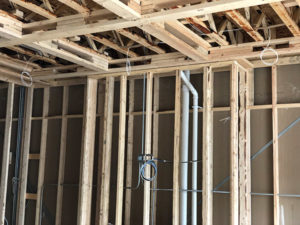
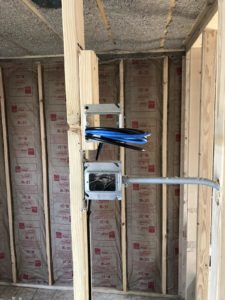
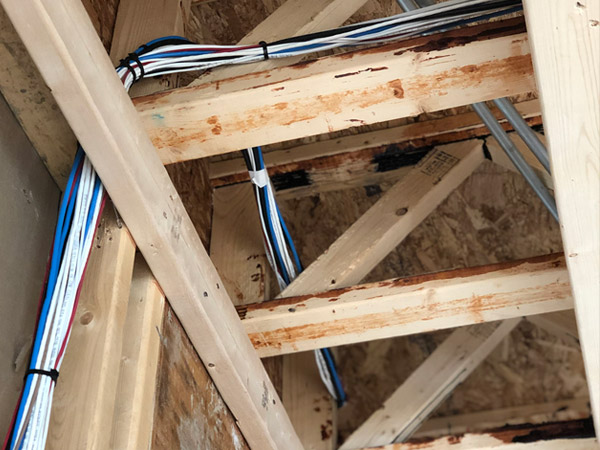
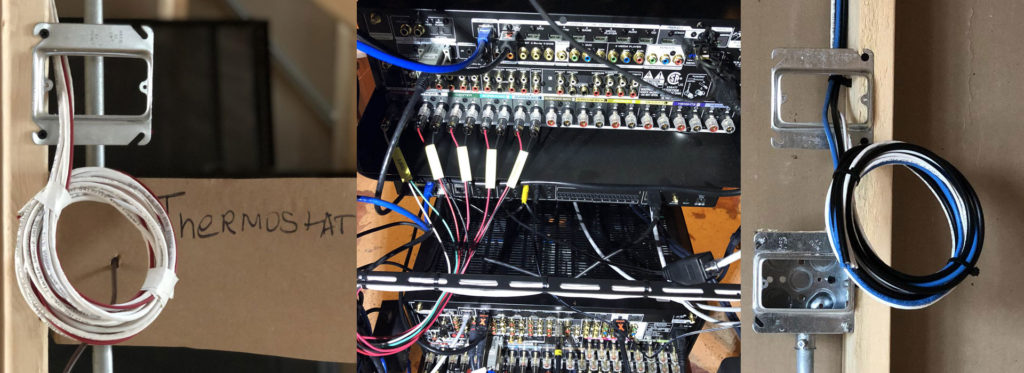
Installing a wired system requires forging walls and wiring. Wired systems will be easier to install in homes that are at the design stage. Otherwise you can choose a wireless alarm system. It is worth noting that both the wired and wireless alarm systems are equally effective. Modern wireless systems cannot be easily disrupted. Each sensor has its own power supply and communicates bidirectionally with the control panel. Any break in communication between the sensor and the control panel will trigger an alarm immediately. The radio signal is additionally authenticated to exclude the possibility of external interference. In practice, the only drawback of the wireless system is the need to periodically replace the batteries powering the sensors.
How do you choose a home alarm system?
When planning to install an alarm system at home, you should answer a few questions:
- Where is your house located? Have there been any break-ins in the neighborhood?
- Is it possible to wire your home?
- What is the shape of the house? What is the number of rooms in the building that you want to protect? What is the number of windows and balcony doors?
- Should the security also cover the area around the building?
- How big is the area around the building? What is the fence made of? Is the property densely overgrown with vegetation?
- Is the system only supposed to warn against burglary and theft or is it supposed to comprehensively protect the house against flooding, fire, etc.?
- How is the system supposed to inform about a security breach? Will it send information only to the owner or should it also inform the security agency?
If you can answer any of these questions, call Chicago Security Expert today and one of our specialists will be able to prepare a design and give you a price quote. We will advise you on what sensors to choose and where to install them. We will also suggest where to place the control panel and how to connect the power supply. Each house is different, therefore the alarm system must be tailored specifically to your property to be effective.
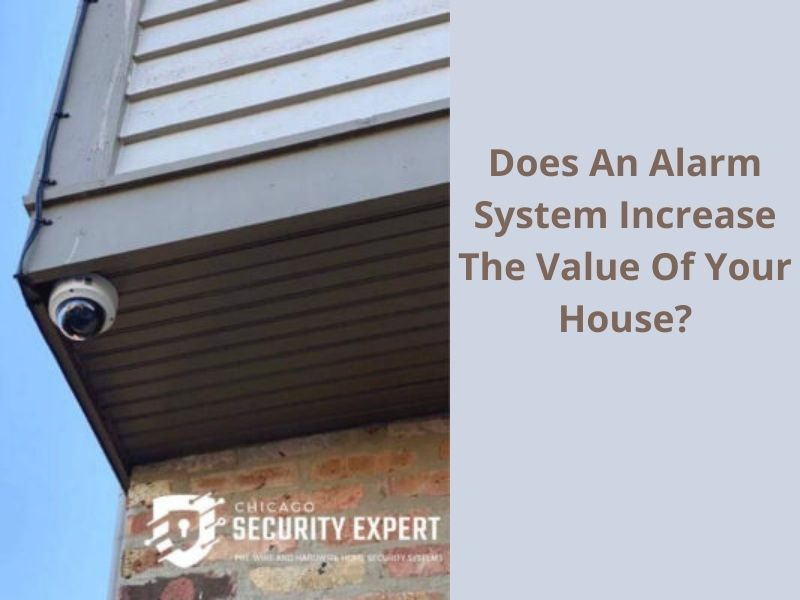
 Home security systems are exploding in popularity and many buyers are looking for homes where alarm systems are already installed. So, just like renovating a roof, building a patio or remodeling a bathroom can improve the value of your property when selling, installing a professional security system can greatly increase your quality of life and home value. In fact, buyers are more willing to spend a bit more for a safe and secure home.
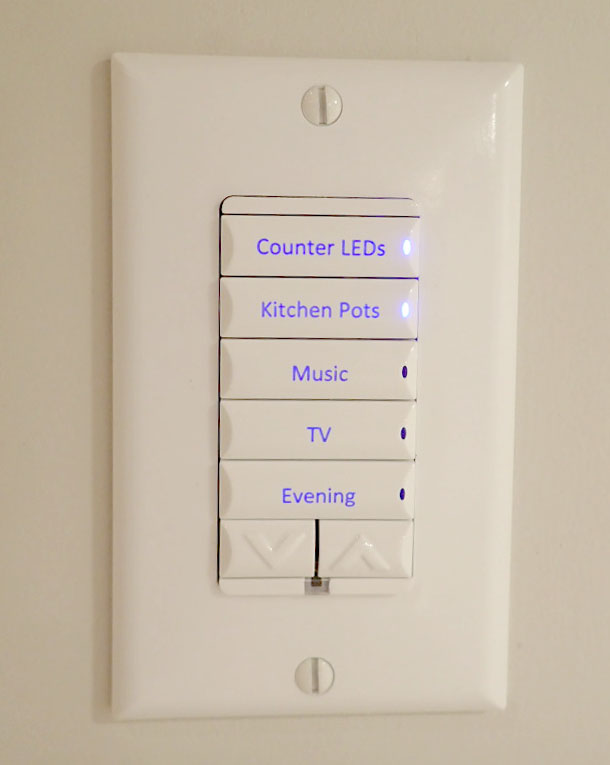
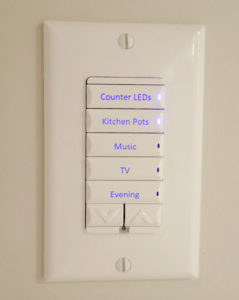 Installation of an alarm system is a significant investment in the security of your premises. But a home security system can do much more than just boost the property value. With useful home automation features like heating and AC control, light control,
  Here at
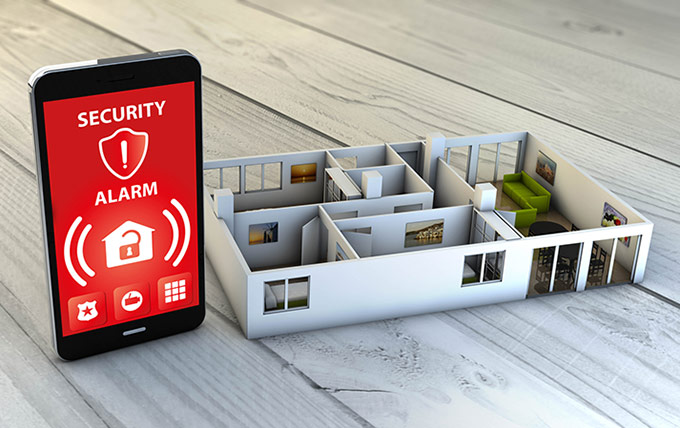 An example of small things that can help you save energy is, for example, avoiding opening your windows when the heating is on. Every day, not everyone is able to always remember about it – especially if there are children in the house who cannot always be fully supervised. An intelligent alarm system will help you prevent excessive heat loss. Thanks to it, each time, for example, when you want to ventilate a room where heating is turned on, and you open a window, the magnetic detectors will send the appropriate information to the alarm control panel, which will turn off the heating for the duration of ventilation. If you additionally install actuators in your windows, the system will be able to automatically close them, correlating this activity with, for example, the furnace or AC being turned on or off.
 Regardless of whether you want to secure an energy-efficient or a traditional building, the alarm system design always starts with the selection of the control panel, which is when you are faced with the first dilemma – is it supposed to be a wireless or a wired alarm system? It is worth knowing that each of these options will work differently in different circumstances. If you decide to install an alarm system at the construction stage, you can choose a traditional wired installation. Installing the devices before finishing construction works will allow you to avoid additional renovation in order to connect and mask the cables. If the decision about installing a surveillance system is made later, when all rooms are furnished, and you do not plan any further renovation and construction works – opt for a wireless installation.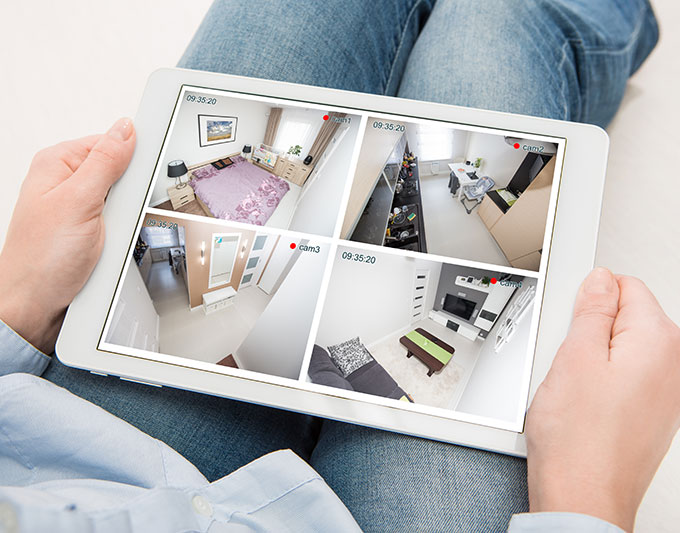
 A hid-a-key may seem like a clever idea in theory, but not in practice. Hiding a spare key is the easiest way to let criminals into your house. The problem with this concept is that the spare key is usually hidden in an easy-access place that’s easy to remember. Instead, consider installing